## E-Invoicing Explained: From Mandates to Manufacturer Benefits & What to Expect
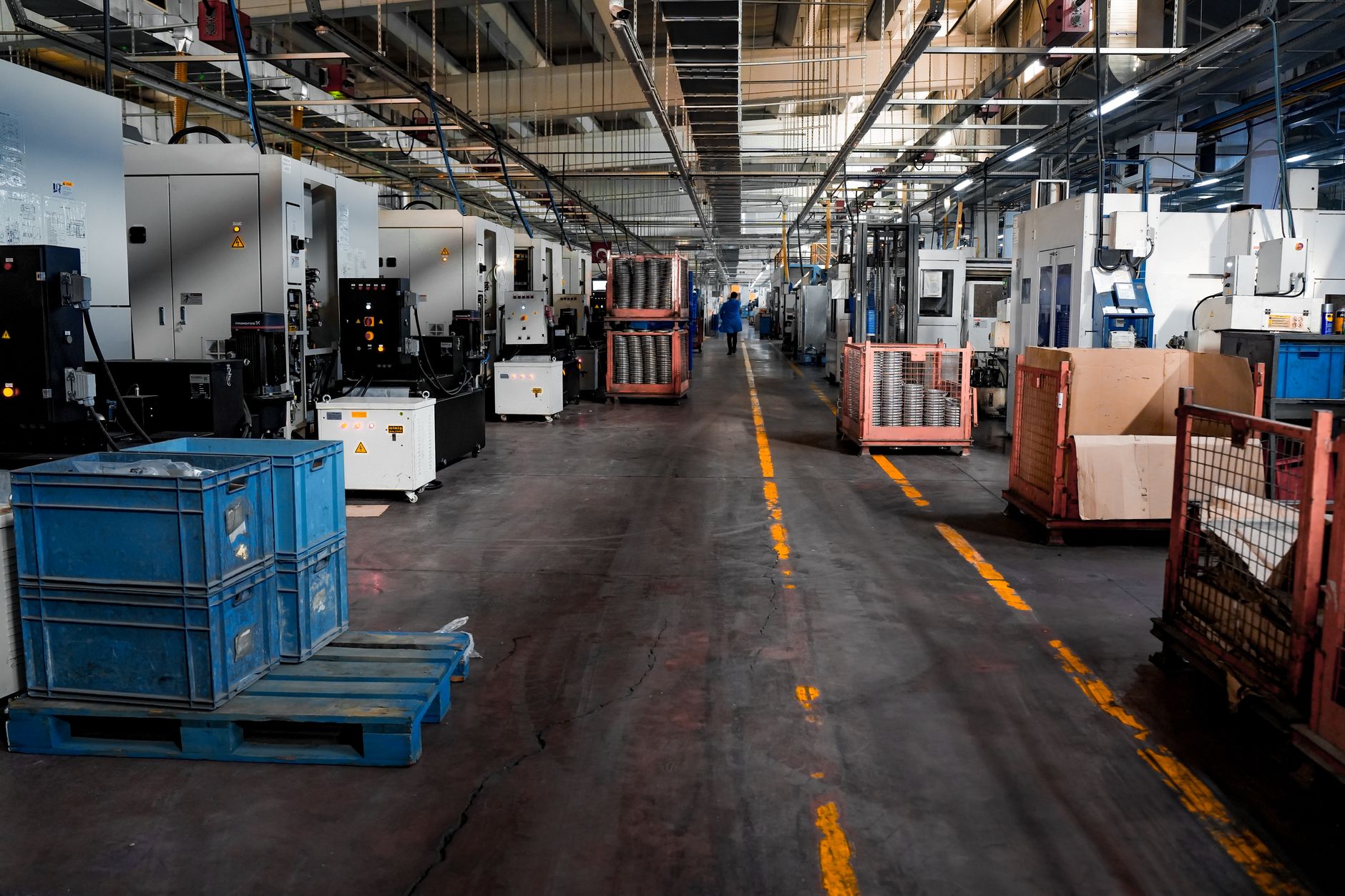
E-invoicing, at its core, is the automated exchange of invoice data directly between supplier and buyer systems in a structured digital format, eradicating the need for paper or even PDF invoices. This isn't just about sending an email with an attachment; it's about seamless data transfer that a machine can read and process instantly. Driven by governmental mandates across Europe (like Peppol) and increasingly in other regions, understanding these regulations is paramount for businesses, especially manufacturers. These mandates aren't just about compliance; they're an opportunity to streamline financial operations, reduce manual errors, and accelerate payment cycles. For manufacturers, already navigating complex supply chains, e-invoicing offers a significant leap towards operational efficiency and transparency.
Beyond mere compliance, the benefits of embracing e-invoicing for manufacturers are substantial and multifaceted. Consider the immediate impact on your Accounts Payable and Accounts Receivable departments: significantly reduced processing times, fewer reconciliation issues, and a dramatic decrease in the likelihood of lost or misfiled invoices. Furthermore, e-invoicing provides enhanced data accuracy, which translates directly into better financial reporting and forecasting. Manufacturers can leverage this granular data to identify bottlenecks, optimize purchasing, and even negotiate better terms with suppliers. Looking ahead, the trend is clear: e-invoicing will become the global standard, offering manufacturers not just efficiency, but a competitive edge through improved cash flow and stronger supplier relationships. Prepare for a future where manual invoice processing is a relic of the past.
E-invoicing for manufacturing firms brings a new era of efficiency and compliance, streamlining financial operations from procurement to sales. By adopting e-invoicing for manufacturing firms, companies can significantly reduce manual errors, accelerate payment cycles, and gain better visibility into their financial data, ultimately boosting productivity and profitability.
## Practical Guide for Manufacturers: Implementing E-Invoicing, Solving Common Challenges & Boosting Cash Flow
Navigating the shift to e-invoicing can seem daunting for manufacturers, but the benefits – from enhanced efficiency to improved cash flow – are substantial. This guide aims to demystify the process, offering a practical roadmap for successful implementation. We'll delve into selecting the right e-invoicing solution that integrates seamlessly with your existing ERP systems, ensuring minimal disruption to your daily operations. Furthermore, we'll explore strategies for effectively onboarding suppliers and customers, addressing common hesitations, and fostering collaborative adoption. Understanding the regulatory landscape, especially with evolving mandates like those in the EU, will also be a key focus, ensuring your business remains compliant and avoids potential penalties.
Beyond mere compliance, implementing e-invoicing presents a golden opportunity to optimize your entire accounts payable and receivable cycles. We'll tackle common challenges head-on, such as managing data discrepancies, ensuring secure data exchange, and overcoming initial resistance to change. Our practical advice will include:
- Best practices for data validation to minimize errors and delays.
- Strategies for leveraging automation to reduce manual effort and human error.
- Techniques for utilizing the rich data insights generated by e-invoicing to inform financial decisions.