Understanding E-Invoicing's Retail Impact: From Compliance to Cost Savings (Explainers, Common Questions)
For retailers, understanding e-invoicing is no longer optional; it's a critical component of modern operations. Initially driven by government mandates (B2G) and expanding rapidly into business-to-business (B2B) transactions, e-invoicing adoption brings a new era of compliance. Ignoring these shifts can lead to significant penalties and operational disruptions. Beyond mere adherence, retailers must grasp the nuances of various e-invoicing models – particularly the clearance and continuous transaction control (CTC) models prevalent in many regions. This involves integrating new technologies and often revising internal accounting and procurement processes. The goal isn't just to avoid fines, but to leverage these changes to build a more robust, auditable, and transparent financial ecosystem within the retail enterprise.
However, the impact of e-invoicing extends far beyond just meeting compliance requirements; it presents a substantial opportunity for cost savings and operational efficiency. Transitioning from paper-based or even PDF-based invoicing to structured electronic formats streamlines the entire procure-to-pay and order-to-cash cycles. Consider these immediate benefits:
- Reduced manual data entry: Minimizing human error and associated rework.
- Faster payment cycles: Improved cash flow management for suppliers and buyers.
- Lower printing and postage costs: Direct savings on material and logistics.
- Enhanced dispute resolution: Clear audit trails and standardized formats simplify reconciliation.
By automating these processes, retailers can reallocate valuable human resources to more strategic tasks, ultimately boosting productivity and profitability.
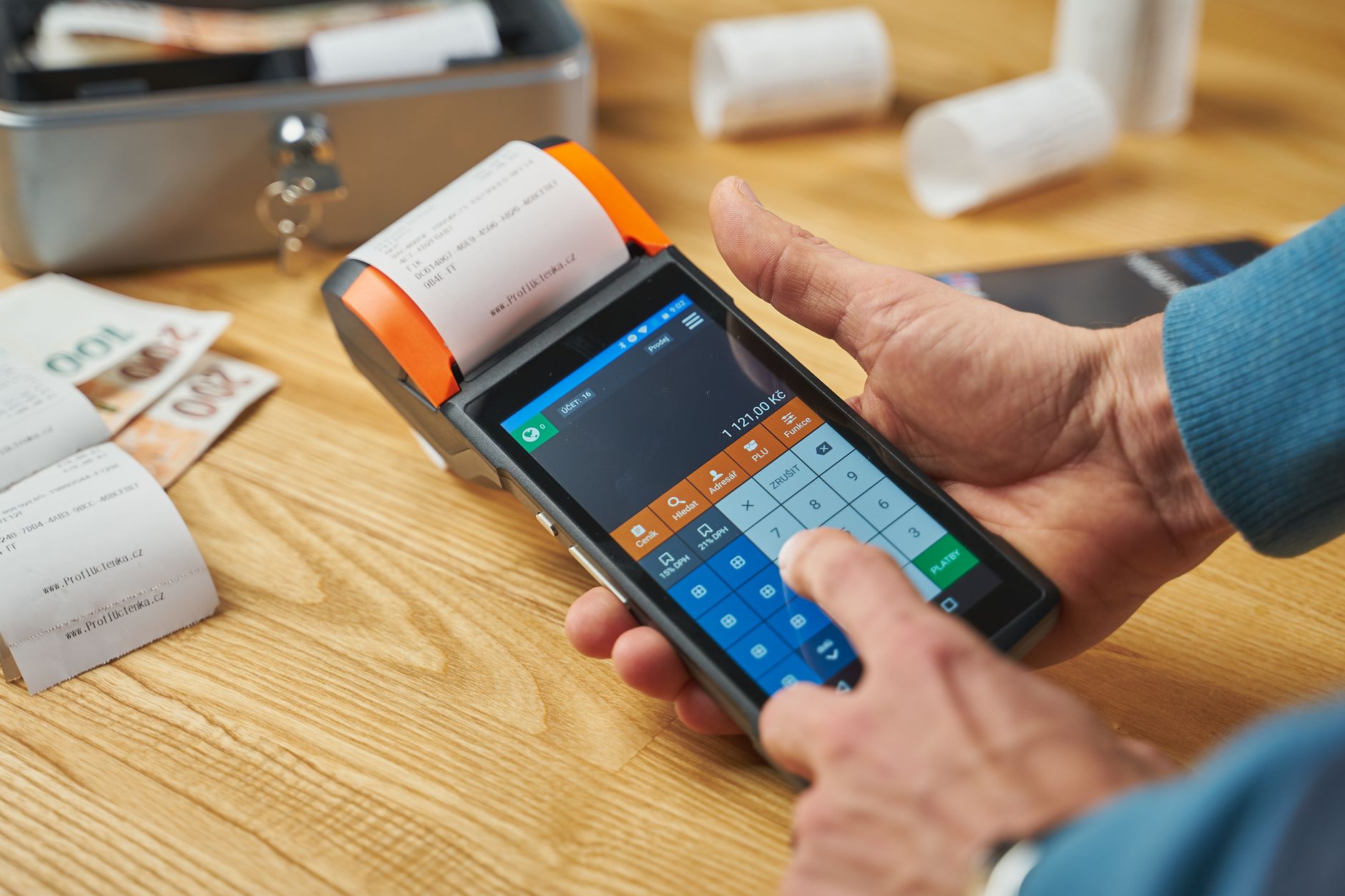
E-invoicing for retail firms streamlines the billing process, reducing manual errors and accelerating payment cycles. It enhances efficiency and provides a secure, transparent method for transactions, improving overall financial management and compliance with regulatory standards for e-invoicing for retail firms.
Navigating the Shift: Practical Steps for Retailers to Implement E-Invoicing (Practical Tips, Common Questions)
Embarking on the e-invoicing journey requires a strategic, phased approach to ensure a smooth transition and maximize benefits. First, consider a thorough vendor assessment to identify solutions that align with your existing POS, ERP, and accounting systems. Look for providers offering robust APIs for seamless integration, minimizing manual data entry and potential errors. A pilot program with a smaller subset of vendors or transactions can provide invaluable insights, allowing you to fine-tune processes and address any unforeseen challenges before a full-scale rollout. Don't underestimate the power of clear internal communication; educate your teams on the 'why' behind the shift, highlighting benefits like faster payments and improved cash flow, to foster adoption and minimize resistance. Remember, e-invoicing isn't just about compliance; it's an opportunity to optimize your entire financial workflow.
Addressing common questions and concerns upfront can significantly ease the transition into e-invoicing. Many retailers grapple with the perceived complexity of integration or the fear of alienating suppliers who may not be technologically advanced. To mitigate this, consider solutions that offer a supplier portal or a straightforward email-to-invoice conversion service, providing flexibility for those not yet fully digitized. Data security and compliance with varying regional regulations (e.g., GDPR, local tax authority mandates) are also paramount. Confirm your chosen solution offers enterprise-grade security features and stays abreast of evolving legal requirements. Finally, establish clear internal protocols for managing exceptions and discrepancies, ensuring a dedicated team is trained to troubleshoot and resolve issues efficiently. A well-defined support structure will be crucial for a successful and sustainable e-invoicing implementation.