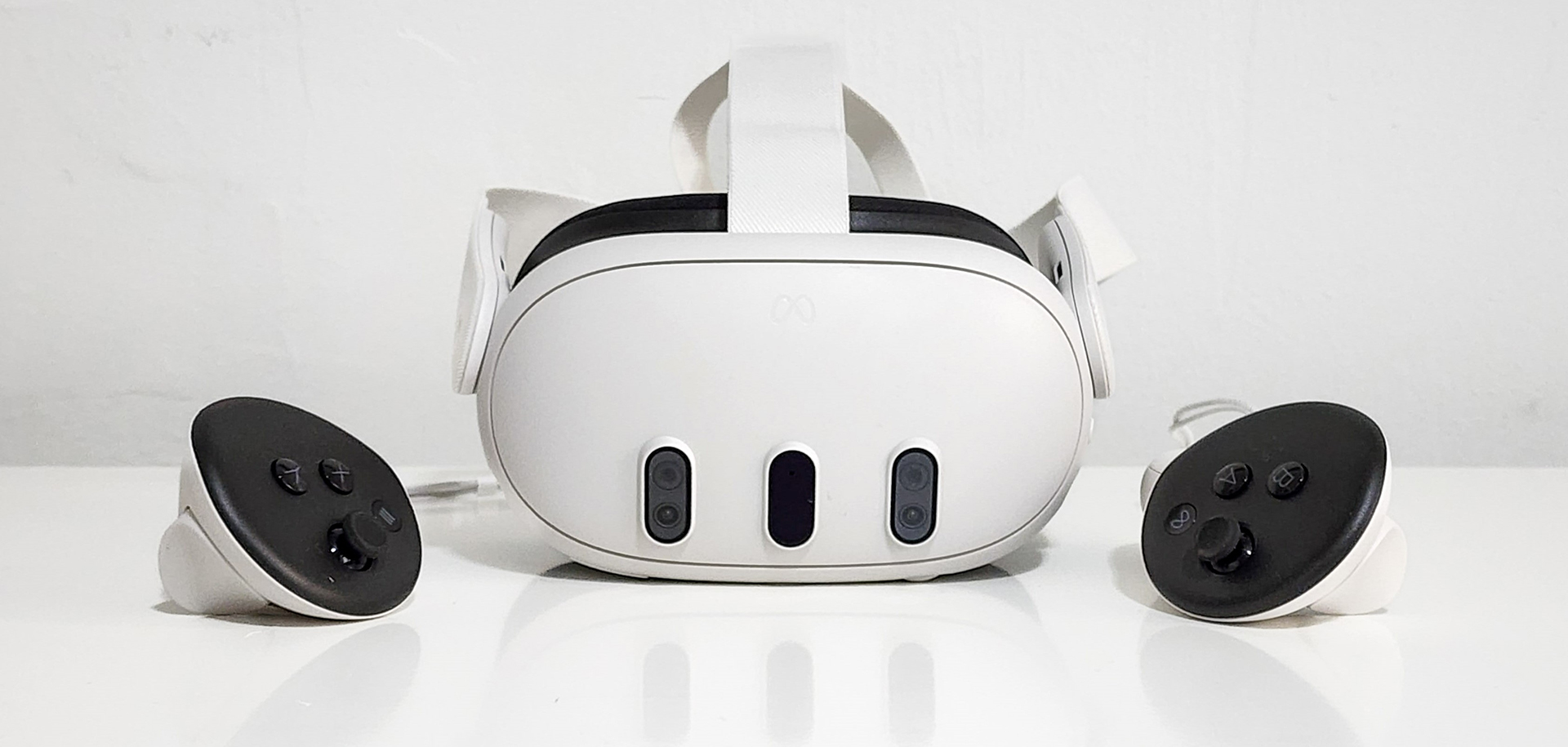
How Virtual Reality is Transforming Our Perception of Reality
Virtual Reality (VR) is rapidly revolutionizing how we perceive and interact with our surroundings. Unlike traditional media that presents a static experience, VR immerses users in a fully interactive environment, allowing them to step into another world entirely. This technology is not only transforming the gaming industry but also significantly impacts various fields such as education, healthcare, and real estate. For instance, VR simulations can provide medical students with lifelike surgical experiences without the risks associated with real-life operations, ultimately enhancing their learning outcomes.
As virtual reality continues to evolve, its effects on our perception of reality are becoming increasingly profound. Users are reporting a heightened sense of presence, making it easier for them to engage with content on a deeper emotional level. This shift is evident in the use of VR for therapy, where patients can confront their fears in a controlled environment, leading to significant improvements in mental health. Additionally, industries are leveraging VR for marketing, with brands creating immersive experiences that captivate potential customers. The ability to blend the lines between the virtual and the real world promises to redefine our understanding of reality itself.
Counter-Strike is a popular tactical first-person shooter that emphasizes teamwork and strategy. Players can choose to join either the Terrorist or Counter-Terrorist team, each with specific objectives to complete. For those interested in enhancing their gaming experience, check out the Top 10 apple vision pro accessories that can elevate your setup.
The Future of VR: Innovations That Will Change Your Experience
The future of VR is set to be revolutionized by a series of groundbreaking innovations that will transform how we interact with digital environments. One of the most anticipated developments is the integration of haptic feedback technology, which will allow users to not only see and hear their virtual surroundings but also feel them. This advancement is expected to provide a more immersive experience, enhancing applications in gaming, training simulations, and even therapeutic settings. As companies invest in improving the sensory aspects of VR, we can expect to see realistic sensations that mimic touch, texture, and movement in unprecedented ways.
Moreover, the advent of AI-driven content within VR environments will pave the way for more personalized experiences. By utilizing machine learning algorithms, virtual worlds can adapt to individual user preferences, creating tailored scenarios and interactions. This could lead to smarter VR companions and guides, making learning and exploration more engaging than ever before. Furthermore, the potential for multiplayer VR environments to evolve through innovations in connectivity will allow users from around the globe to interact seamlessly, fostering a sense of community and collaboration in virtual spaces.
What Are the Key Benefits of Using Virtual Reality in Everyday Life?
Virtual Reality (VR) is transforming how we interact with digital content, offering a plethora of benefits that enhance our everyday experiences. One of the most significant advantages is its ability to immerse users in realistic simulations. This level of immersion can be incredibly beneficial in various fields such as education, where students can explore complex subjects like history or science in a virtual environment that feels tangible. Additionally, VR can enhance training methods across industries, providing safe and controlled settings for employees to practice skills without the risks associated with real-life scenarios.
Moreover, Virtual Reality serves as a powerful tool for improving mental well-being. Many individuals utilize VR for relaxation and stress relief, engaging in virtual environments designed to promote mindfulness and calmness. Therapeutic applications, such as exposure therapy for phobias or PTSD, have shown promising results, showcasing VR's potential in mental health treatment. Furthermore, with its capacity to connect people virtually, VR can break geographical barriers, allowing friends and families to interact in shared spaces regardless of their physical location, fostering relationships in our increasingly digital world.