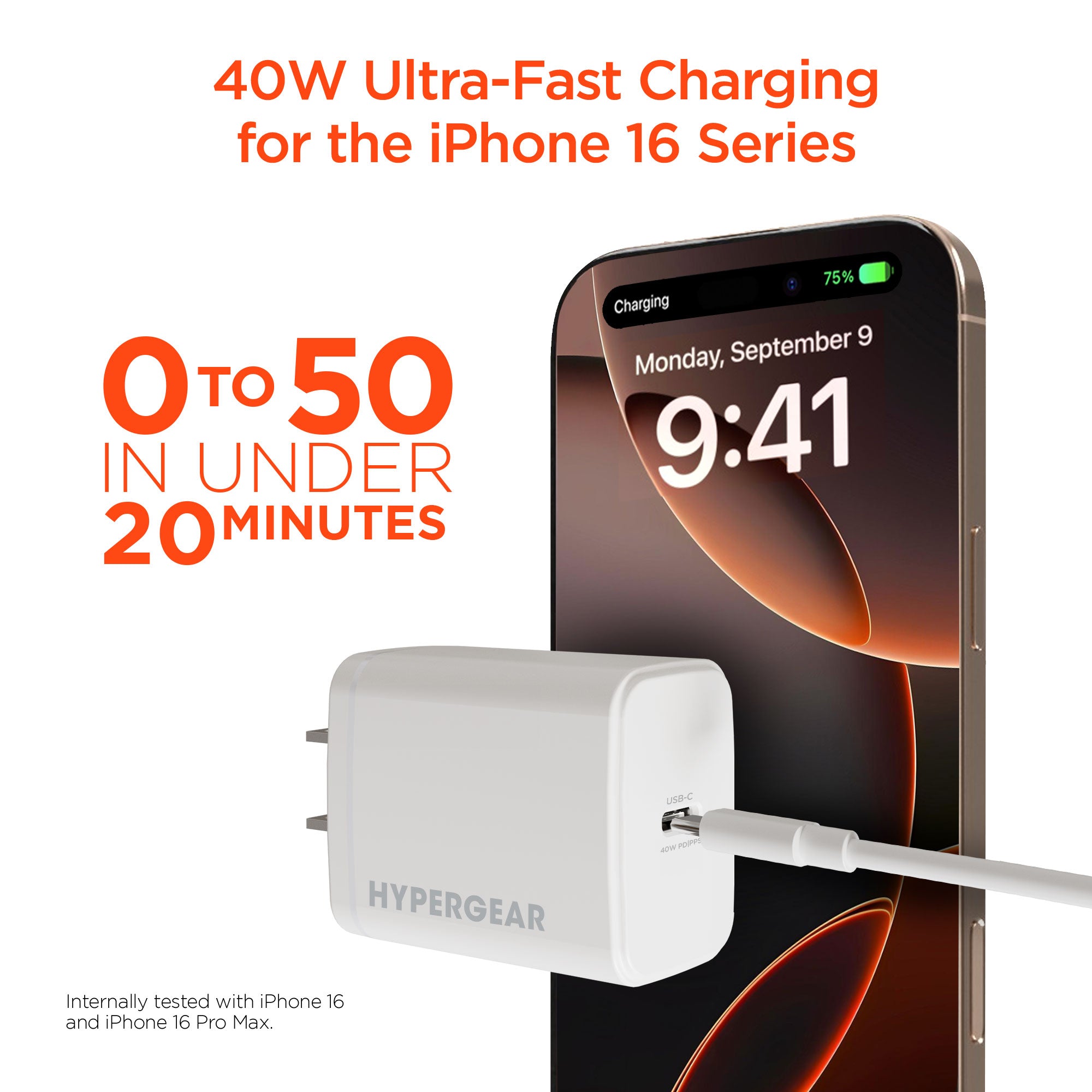
The Science of Speed: How Rapid Charging Technology Works
The world is increasingly shifting towards electric vehicles (EVs) and portable electronics, making the understanding of rapid charging technology crucial. At its core, rapid charging technology utilizes advanced electrical engineering principles to significantly decrease charging times. It incorporates high-voltage and high-current systems to deliver power efficiently, using specialized chargers that often employ techniques like multi-stage charging. By doing so, these systems manage the flow of electricity, thereby ensuring that devices charge quickly while also safeguarding battery health.
One of the pivotal aspects of this technology is the use of smart charging algorithms, which dynamically adjust the charging parameters in real-time based on the battery's state of charge and temperature. These algorithms are essential for optimizing energy efficiency and prolonging battery lifespan. Furthermore, innovations such as wide bandgap semiconductors, including silicon carbide (SiC) and gallium nitride (GaN), have revolutionized the speed at which charging can occur, allowing for higher power densities and reduced energy losses. The convergence of these advancements is setting the stage for a future where rapid charging technology is as widespread as conventional fueling systems.
If you're looking to streamline your workspace and eliminate cable clutter, check out the Top 10 Desk Wireless Chargers. These chargers offer a convenient way to keep your devices powered while maintaining an organized desk. With various features like fast charging and stylish designs, there's something for everyone's needs.
5 Myths About Fast Charging Debunked
Fast charging technology has revolutionized how we power our devices, but many misconceptions abound. One common myth is that fast charging damages the battery over time. In reality, modern smartphones and chargers are designed with safety features that regulate charging speeds and prevent overheating. These devices utilize smart technology to manage charging cycles, ensuring that the battery lifespan is preserved while still allowing for rapid power replenishment.
Another popular belief is that using a fast charger will overcharge your device. This is not true—smart devices come equipped with circuitry that prevents overcharging regardless of the charger used. Once the battery reaches full capacity, the charging process automatically slows down or stops, ensuring optimal battery health. Educating yourself about fast charging can help dispel these myths and enhance your understanding of modern charging technologies.
Is Fast Charging Bad for Your Device?
Fast charging technology has become increasingly popular due to its convenience and efficiency, allowing users to significantly reduce the time needed to power up their devices. However, many users wonder, is fast charging bad for your device? The answer isn't straightforward. While fast chargers provide a rapid energy boost, they can generate additional heat compared to standard charging methods. Excessive heat can contribute to battery wear and impact the longevity of lithium-ion batteries, which are commonly used in smartphones and other electronic devices.
Moreover, frequent use of fast charging may lead to faster degradation of battery health over time. Is fast charging bad for your device? To mitigate potential risks, it's advisable to balance fast charging with regular charging practices. For instance, using a standard charger overnight can help maintain optimal battery health while allowing for the convenience of quick top-ups during the day. Ultimately, understanding how your particular device manages heat and charge cycles can be key to maximizing its lifespan.