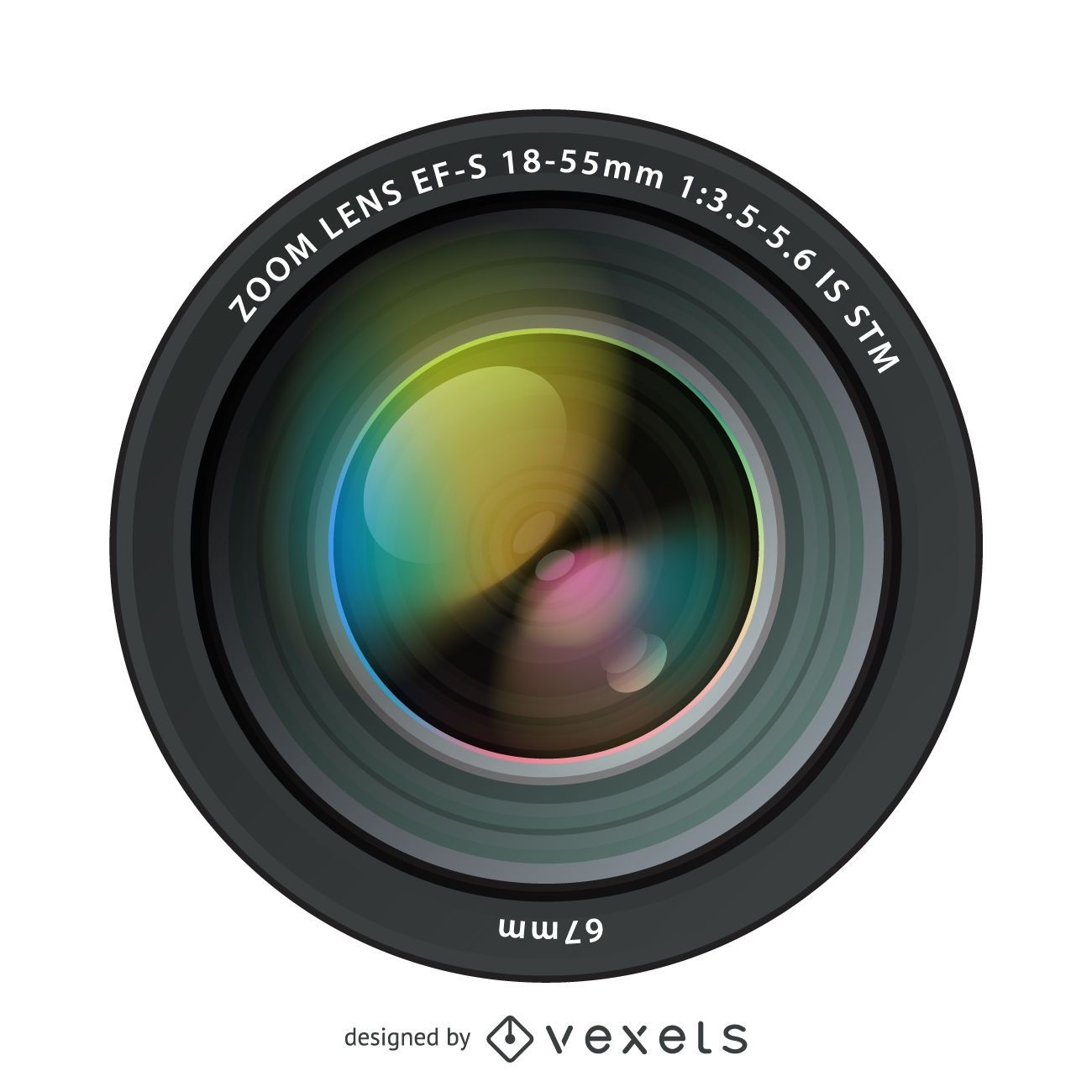
Understanding Focal Length: How It Affects Your Photography
Understanding focal length is essential for photographers looking to enhance their craft. Focal length, measured in millimeters (mm), refers to the distance from the lens to the image sensor when the subject is in focus. Different focal lengths affect how much of a scene is captured and how objects are rendered in relation to one another. For instance, a lens with a short focal length (like an 18mm) provides a wide-angle view, making it ideal for landscapes and architecture, while a long focal length (such as 200mm) allows you to zoom in on distant subjects, making it suitable for wildlife and sports photography.
The effect of focal length on depth of field is another crucial concept to consider. Generally, shorter focal lengths yield a deeper depth of field, allowing more of the scene to be in focus, while longer focal lengths create a shallower depth of field, isolating the subject against a blurred background. Understanding these principles can significantly improve your composition and storytelling in photography. Whether you are capturing a vast landscape or a close-up portrait, the focal length you choose will play a vital role in how your images convey emotion and impact the viewer.
Counter-Strike is a popular tactical first-person shooter game that emphasizes teamwork and strategy. Players can choose to be part of terrorist or counter-terrorist teams, each with unique objectives. The game has spawned several versions, with Counter-Strike: Global Offensive being the most widely played today. If you're looking to enhance your gaming setup, check out the Top 10 iphone accessories under 50 for some great options.
The Secret Lives of Lens Coatings: Why They Matter
Lens coatings are often an overlooked aspect of optical technology, yet they play a crucial role in enhancing the performance and longevity of your eyewear or camera lenses. These coatings serve multiple purposes, including reducing glare, improving scratch resistance, and providing UV protection. For instance, anti-reflective coatings can significantly improve visibility in bright conditions by minimizing reflections on the lens surface. Similarly, UV coatings help to protect your eyes from harmful ultraviolet rays, reducing the risk of serious eye conditions over time.
Moreover, not all lens coatings are created equal, which is why understanding their benefits can lead to better purchasing decisions. Here are some common types of coatings and their advantages:
- Anti-reflective coatings: Enhance clarity and reduce glare.
- Scratch-resistant coatings: Protect lenses from everyday wear and tear.
- Blue light blocking coatings: Reduce eye strain from digital screens.
Prime vs. Zoom Lenses: Which One Should You Choose for Your Needs?
When it comes to photography, one of the fundamental choices you’ll face is deciding between prime vs. zoom lenses. Each type offers its unique set of advantages that cater to different shooting styles and needs. Prime lenses are known for their fixed focal length, often resulting in sharper images and better low-light performance due to wider maximum apertures. Photographers who prioritize image quality and aesthetics, such as portrait or landscape photographers, often opt for prime lenses because they allow for greater control over depth of field and produce a distinctive bokeh effect.
On the other hand, zoom lenses provide versatility that appeals to many photographers, especially those who need to adapt quickly to changing scenes, such as event or wildlife photographers. With the ability to cover multiple focal lengths, zoom lenses eliminate the need to constantly switch between different lenses, offering convenience without sacrificing too much in image quality. Ultimately, your choice between prime and zoom lenses will depend on your specific needs—if you value image quality and can work within a fixed focal length, a prime lens may be the way to go; however, for versatility and adaptability, a zoom lens may serve you better.