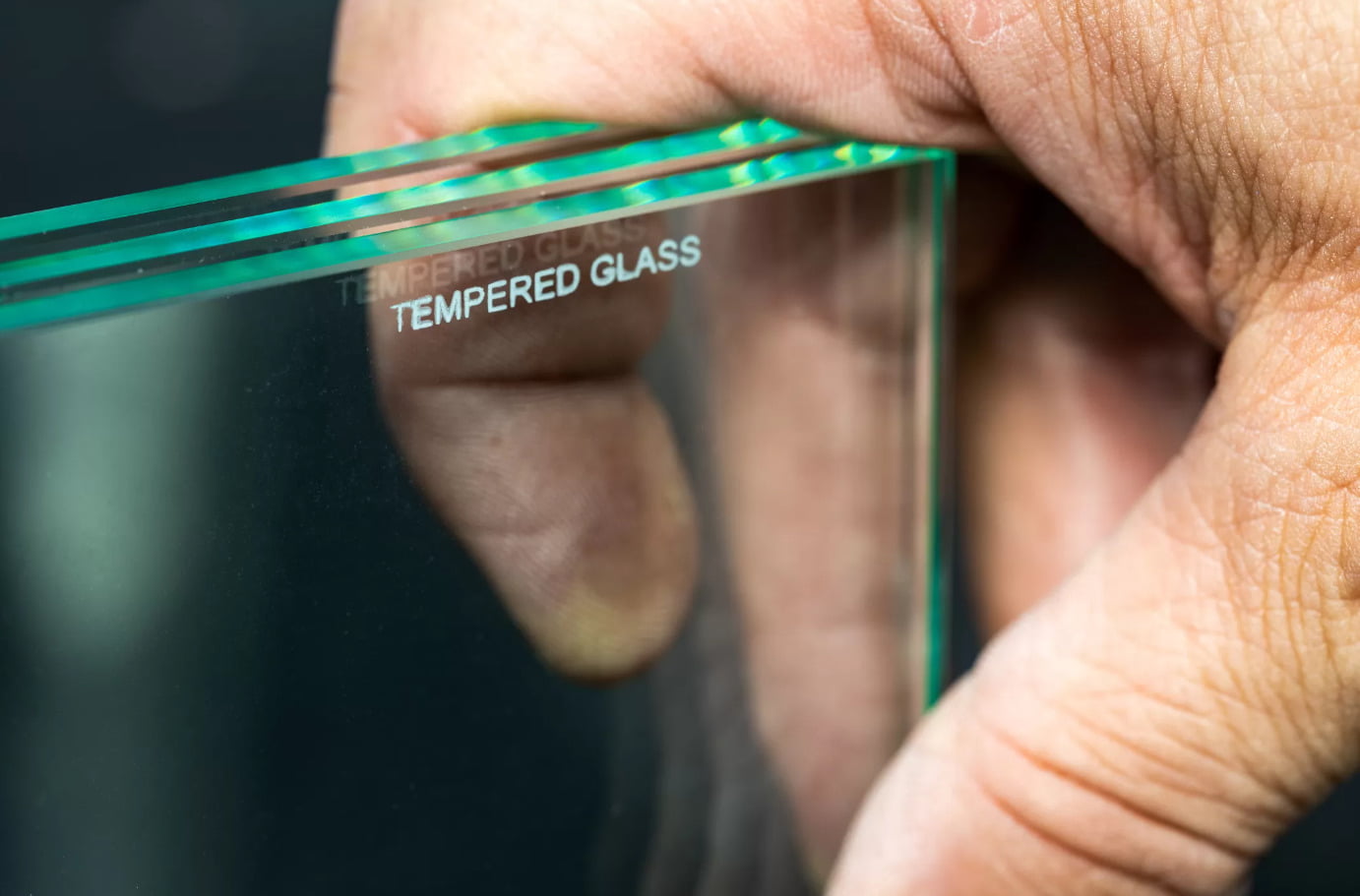
How Tempered Glass Enhances Safety in Our Daily Lives
Tempered glass has become a pivotal material in enhancing safety across various aspects of our daily lives. Unlike regular glass, tempered glass is produced through a process of extreme heating and rapid cooling, which results in a material that is significantly stronger and more resilient. This innovative glass is widely used in settings such as automobiles, buildings, and household furniture, where the risk of breakage can lead to severe injuries. In fact, when shattered, tempered glass breaks into small, blunt pieces rather than sharp shards, minimizing the potential for cuts and lacerations.
Furthermore, the applications of tempered glass go beyond just physical safety; it also contributes to fire resistance and energy efficiency in buildings. Many modern architectural designs incorporate tempered glass for windows and doors to not only enhance safety but also provide aesthetic appeal and thermal insulation. By effectively blocking harmful UV rays while maintaining transparency, tempered glass promotes a safe and comfortable environment. As awareness grows about the advantages of using this advanced material, both consumers and manufacturers are increasingly recognizing its role in creating safer living spaces.
Counter-Strike is a highly popular tactical first-person shooter game that has captivated gamers since its inception. In the game, players join either the terrorist or counter-terrorist team and engage in various game modes, primarily focused on objective-based play. For players looking to enhance their gaming experience, it's essential to protect their devices. You can find the Top 10 iPhone privacy screen protectors to keep your phone secure during intense gaming sessions.
The Science Behind Tempered Glass: Why It's a Game Changer for Security
Tempered glass, also known as toughened glass, undergoes a specialized heat treatment process that enhances its strength compared to ordinary glass. This process involves heating the glass to over 600 degrees Celsius and then rapidly cooling it, which puts the surface of the glass into compression and makes it far more resistant to impact and thermal stress. Unlike standard glass, which shatters into sharp shards when broken, tempered glass breaks into small, blunt pieces, reducing the risk of injury. This unique characteristic makes tempered glass a preferred choice in a variety of applications, from storefronts and windows to shower doors and skylights.
The enhanced safety and strength of tempered glass make it a game changer for security in both residential and commercial environments. For instance, when used in windows or glass doors, it can withstand high impacts, making it much more difficult for intruders to break in. Moreover, its resistance to temperature fluctuations ensures that it won't crack or shatter easily due to environmental changes. A combination of these properties not only strengthens security but also contributes to fire safety, as tempered glass can withstand high temperatures without failing, thus serving as an effective barrier against flames. This makes it a valuable investment for anyone looking to enhance security and safety in their property.
Is Tempered Glass the Future of Safe Architecture?
Tempered glass is rapidly becoming a cornerstone in modern architecture, with its numerous advantages making it an obvious choice for builders and designers alike. Unlike traditional glass, tempered glass undergoes a special heating and cooling process that increases its strength and thermal resistance, resulting in a material that is less prone to breakage. According to recent studies, structures that incorporate tempered glass demonstrate a reduced risk of injury in the event of an accident, as the glass shatters into small, blunt pieces rather than sharp shards. This safety feature makes it particularly appealing for use in high-impact areas such as facades, balconies, and shower enclosures.
Beyond its safety benefits, tempered glass also offers aesthetic and functional advantages that align well with the sustainability goals of contemporary architecture. Its ability to filter UV rays while allowing natural light to permeate a space contributes to energy efficiency and enhances indoor environments. Additionally, the use of tempered glass in design allows for innovative shapes and configurations that were previously challenging to achieve with traditional materials. As architects and builders continue to prioritize safety, aesthetics, and environmental impact, it is clear that tempered glass is not just a trend but a significant player in the future of safe architecture.