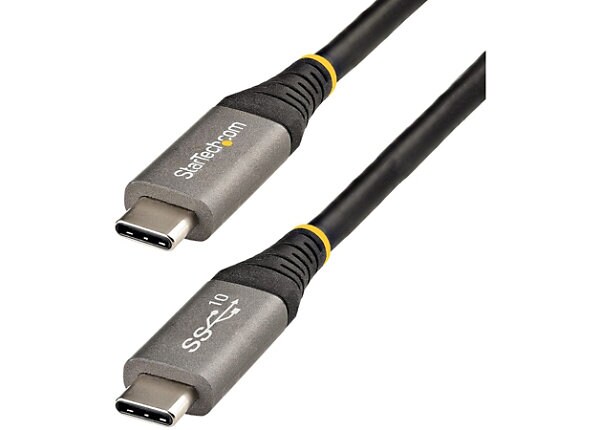
Understanding USB Type-C: Key Features and Benefits
USB Type-C has revolutionized the way we connect and power our devices, thanks to its versatile and efficient design. One of the key features of USB Type-C is its reversible connector. Unlike its predecessors, this feature allows users to plug in the cable regardless of orientation, making it incredibly user-friendly. Furthermore, it supports a range of data transfer speeds, with USB 3.1 and newer versions offering speeds up to 10 Gbps. Additionally, USB Type-C can deliver up to 100W of power, enabling fast charging for smartphones, laptops, and other devices, which is a significant upgrade over older USB standards.
Beyond the technical specifications, the benefits of adopting USB Type-C are numerous. For instance, the universal compatibility means you can use the same cable for various devices, from smartphones to tablets and even laptops. This reduces the clutter of multiple chargers and cables. Moreover, USB Type-C's ability to support video output, such as DisplayPort and HDMI, means that one port can also serve multiple functions, enhancing connectivity options for users. As the industry moves toward standardization, adopting USB Type-C opens doors to a more streamlined and efficient tech ecosystem.
If you're looking to upgrade your charging experience, check out the Top 10 Fast Charging USB C Cables that combine speed and durability. These cables are designed to deliver high power efficiently, making them perfect for a wide range of devices. From smartphones to laptops, having a reliable fast charging USB-C cable can significantly reduce your downtime.
Is USB Type-C Compatibility a Game Changer for Devices?
The introduction of USB Type-C compatibility marks a significant turning point in the way devices connect and transfer data. Unlike its predecessors, USB Type-C features a reversible design, allowing users to plug in cables without worrying about the orientation. This simplicity not only enhances user experience but also consolidates multiple connection types into a single standard. As more devices adopt USB Type-C, consumers benefit from reduced clutter of chargers and cables, ultimately streamlining their tech ecosystem.
Moreover, the compatibility of USB Type-C with various devices—ranging from smartphones to laptops and even peripherals like monitors—promotes a more versatile and interconnected digital environment. With faster data transfer rates and improved power delivery capabilities, USB Type-C is poised to become the go-to standard for future technology. As manufacturers increasingly embrace this innovation, the question arises: is having a universal port like USB Type-C a true game changer for device connectivity?
Will USB Type-C Replace Other Connectors in the Future?
The USB Type-C connector has rapidly become a staple in modern technology due to its versatility and robust performance. Its ability to deliver power, data, and video through a single cable simplifies the user experience and reduces the number of different cables required. As more devices are designed with USB Type-C compatibility, we are seeing a significant shift away from traditional connectors like USB Type-A, HDMI, and even Lightning. This trend suggests that USB Type-C may likely dominate the connector landscape in the coming years, paving the way for a more standardized approach to connectivity.
However, the question remains: will USB Type-C entirely replace other connectors? While its advantages are clear, various industries may resist the transition due to legacy systems and specific use-case requirements. For instance, in certain professional settings, specialized connectors may still hold relevance. Furthermore, as technology continues to evolve, we might see new standards emerging that could complement or even compete with USB Type-C. Ultimately, while USB Type-C is on track to become the primary connector, the future may still see a coexistence of different types of connectors based on specific needs and preferences.