Understanding Fast Charging: How It Works and What You Need to Know
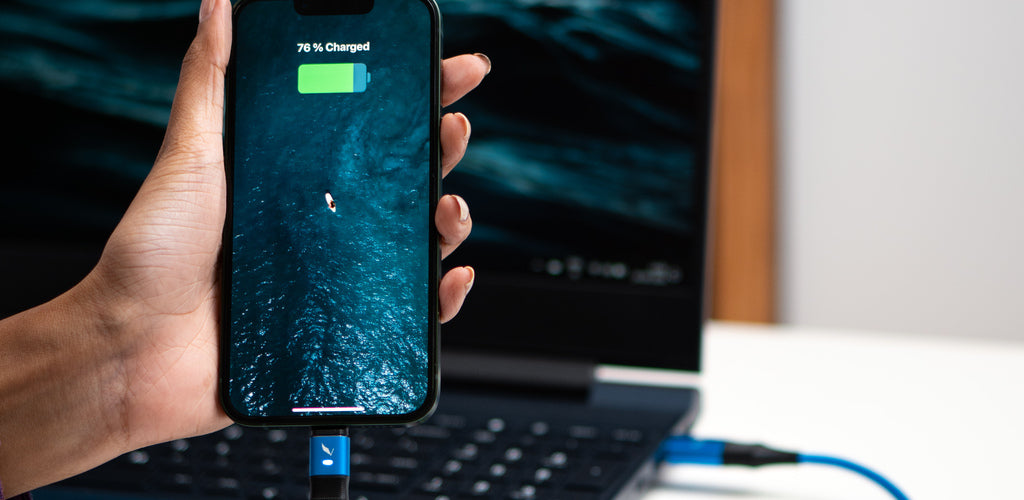
Fast charging is a technology that significantly reduces the time it takes to charge electronic devices, particularly smartphones and laptops. The key to understanding how fast charging works lies in the way power is delivered to the battery. Traditional chargers typically deliver a constant voltage and current, which means that they take longer to fill up a battery. In contrast, fast charging utilizes advanced algorithms and higher voltage levels to accelerate the charging process. This is achieved by using specialized cables and adapters that can handle the increased power output, allowing you to recharge your device in a fraction of the time compared to standard charging methods.
When considering a fast charging solution, there are a few important factors to keep in mind. Firstly, ensure that your device supports fast charging; not all devices are compatible with the technology. Additionally, you'll need to use the appropriate charger and cable specifically designed for fast charging. Lastly, it’s crucial to recognize that while fast charging is convenient, it can also generate more heat, which may impact battery health over time. Therefore, it's wise to balance speed with battery longevity by using fast charging only when necessary and opting for slow charging during standard use to prolong your device's battery life.
Counter-Strike is an iconic first-person shooter that has shaped competitive gaming since its release in 1999. Players engage in intense team-based battles, focusing on tactics and strategy to outsmart their opponents. If you're looking to enhance your gaming setup, check out the Top 10 Desk Charging Stations for keeping your devices powered during long gaming sessions.
Top 5 Fast Charging Technologies for Your Devices
In today's fast-paced world, having reliable charging technologies is essential for keeping your devices powered up. Here are the Top 5 Fast Charging Technologies that are transforming how we interact with our gadgets:
- Qualcomm Quick Charge: This technology can charge compatible devices up to 50% faster than conventional charging methods. Its innovative design allows for higher voltage levels, enabling quicker power delivery.
- USB Power Delivery (USB PD): A universal standard, USB PD is widely adopted across brands, facilitating fast charging across various devices. It intelligently negotiates power levels, delivering up to 100W to capable gadgets.
- Samsung Adaptive Fast Charging: Optimized for Samsung devices, this technology uses a similar approach to Quick Charge, adjusting voltage and current to charge your smartphone quickly.
- Apple Fast Charge: Available for iPhones and iPads, this technology supports charging at 18W or more when used with compatible chargers, ensuring you get back to full power quickly.
- Huawei SuperCharge: With a unique architecture, SuperCharge can deliver a whopping 40W, allowing devices to achieve a full charge in just over an hour.
Is Fast Charging Bad for Your Battery? Debunking Common Myths
In recent years, the prevalence of fast charging technology has raised concerns among consumers about its impact on battery health. Many believe that utilizing fast chargers can lead to reduced battery lifespan or even permanent damage. However, studies suggest that while fast charging does generate more heat, modern smartphones are equipped with advanced battery management systems designed to mitigate these risks. These systems regulate the amount of current flowing into the battery, ensuring it remains within safe thresholds during charging, thus debunking the myth that fast charging is inherently bad for your battery.
Another common misconception is that fast charging can cause batteries to swell or explode. This fear often stems from media reports of isolated incidents. In reality, the technology has come a long way, and manufacturers have implemented multiple safety protocols to prevent such occurrences. For instance, smart charging algorithms gradually reduce the charging speed as the battery nears its full capacity, minimizing the heat produced and enhancing safety. Therefore, when used with compatible devices, fast charging can be both safe and efficient, challenging the myths surrounding its negative effects on battery health.