Understanding the Skill Group System in CS:GO: A Comprehensive Guide
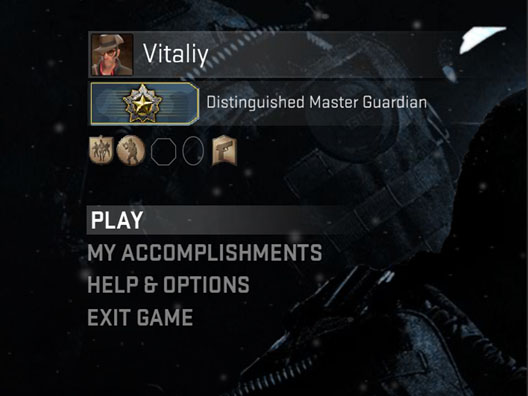
The Skill Group System in CS:GO (Counter-Strike: Global Offensive) is a crucial aspect that determines a player's matchmaking experience. Understanding how this system works can significantly enhance your gameplay and placement. The ranks are divided into 18 distinct categories, ranging from Silver to Global Elite. Each skill group represents a specific level of gameplay proficiency, allowing players to compete with others of similar skill. Players are initially placed into a rank after completing a set of placement matches, which evaluates their performance and skill level based on wins, kills, and overall gameplay.
It’s important to recognize that the Skill Group System is not static; it evolves as players continue to compete. As you play, your rank can adjust based on your wins and losses, with significant emphasis on a player’s most recent performance. For those looking to improve their rank, focusing on team collaboration and individual skills can be key. Players who consistently perform well can expect a climb through the ranks, while those who struggle may find themselves falling. Always aim to learn from each match, and remain aware that improving your skill set is a continuous journey in the competitive landscape of CS:GO.
Counter-Strike is a popular tactical first-person shooter game that emphasizes teamwork and strategy. Players can engage in various game modes, including bomb defusal and hostage rescue. One of the exciting aspects of the game is the ability to acquire skins for weapons, such as the Silver Case, which can enhance the visual appeal of your arsenal.
Climbing the Ranks: Tips and Tricks to Improve Your Skill Group
Climbing the ranks in any skill group requires dedication and a strategic approach. Start by assessing your current skills honestly. Identify areas of strength and weakness to create a personalized improvement plan. To aid your development, consider incorporating regular practice into your routine. Consistency is key—aim for at least a few hours each week dedicated to focused skill enhancement. Additionally, leverage resources like online tutorials and local workshops to expand your knowledge and get feedback from experienced mentors.
Another essential tip is to network with others in your skill group. Engaging with a community can motivate you to push your boundaries and provide valuable insights. Consider joining forums or social media groups where you can share experiences and learn from peers. Don’t shy away from collaborating with others; working as part of a team can expose you to new techniques and ideas. As you climb the ranks, remember to set achievable goals to track your progress and keep yourself accountable.
What Do Different CS:GO Skill Groups Really Mean for Your Gameplay?
In CS:GO, skill groups are essential for understanding your rank and improving your gameplay. Each skill group, from Silver to Global Elite, signifies a player's proficiency in various aspects of the game, such as aiming, teamwork, and game sense. For example, players in the Silver rank often struggle with basic mechanics like crosshair placement and map knowledge, while those in the Gold ranks start to develop better strategies and communication skills. This progression is crucial as it not only impacts match outcomes but also shapes the overall experience and learning curve for players.
Understanding what your CS:GO skill group means can greatly enhance your gameplay. Each rank has its own distinct characteristics:
- Silver: Often characterized by inconsistent aiming and poor map awareness.
- Gold: Players here begin to demonstrate stronger tactical understanding and teamwork.
- Platinum: A crucial step where players refine their skills and strategy, adapting to opponents' moves.
- Global Elite: The top-tier players who possess exceptional skills, game sense, and communication.
By recognizing the differences in skill groups, players can tailor their practice and focus on areas that need improvement, ultimately elevating their CS:GO gameplay.