Exploring the Benefits of Wide-Angle Lenses for Landscape Photography
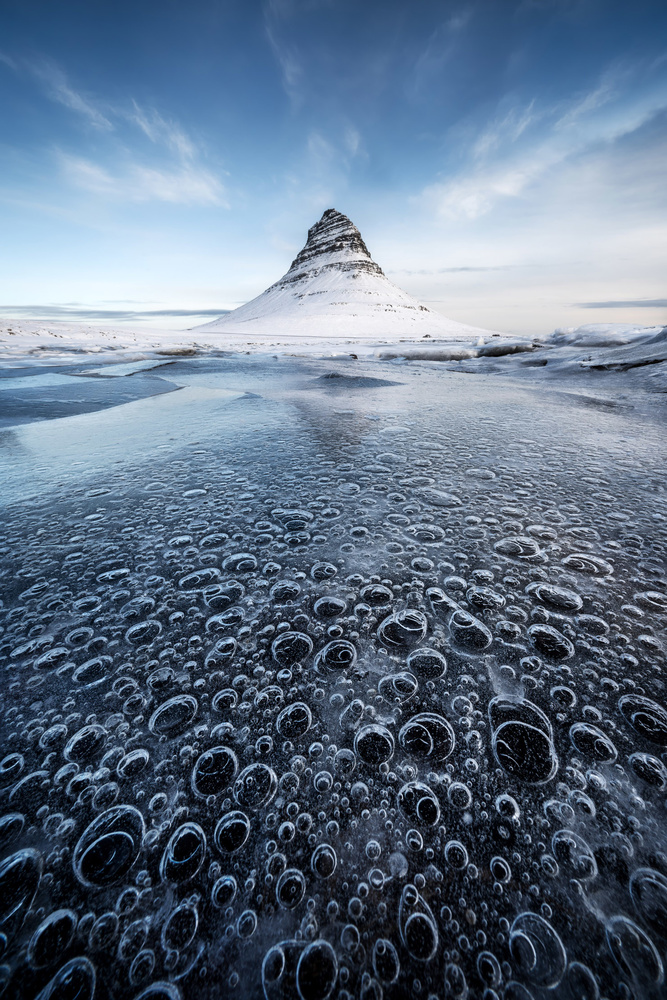
Wide-angle lenses are essential tools for landscape photography, allowing photographers to capture expansive scenes with stunning detail. These lenses typically have a focal length of less than 35mm, enabling a broader field of view compared to standard lenses. One major benefit of using a wide-angle lens is the ability to include more elements in the frame, which can enhance the sense of depth and perspective. This depth is crucial in landscape photography, as it helps convey the grandeur of vast landscapes and invites viewers into the scene.
Additionally, wide-angle lenses are particularly effective for creating dramatic compositions. They can exaggerate the size of foreground elements, making them appear larger and more pronounced, which draws the viewer's eye into the image. By playing with these compositions, photographers can create visually striking images that evoke emotional responses. Furthermore, wide-angle lenses perform exceptionally well in low-light conditions, giving photographers the versatility to shoot at different times of day, whether it’s the golden hour or under a starlit sky.
Counter-Strike is a popular first-person shooter that pits teams of terrorists against counter-terrorists in various scenarios. Players must work together to achieve objectives, whether it be defusing bombs or rescuing hostages. For those looking to enhance their gaming experience, consider checking out the Top 10 iphone camera accessories that can help improve your streaming quality.
10 Creative Ways to Use a Wide-Angle Lens in Your Photography
If you're looking to elevate your photography game, using a wide-angle lens can open up a realm of creative possibilities. Wide-angle lenses are perfect for capturing expansive landscapes, but they can also be utilized in unexpected ways. Here are 10 creative ways to take advantage of your wide-angle lens:
- Perspective Distortion: Play with the distortion that comes from shooting up close to subjects. This can create unique and dramatic portraits.
- Environmental Portraits: Capture your subject in their surroundings for storytelling in your photos.
- Leading Lines: Use wide-angle perspective to create leading lines that draw viewers into your composition.
- Interior Spaces: Showcase the depth and design of interiors, making small spaces appear more expansive.
- Night Sky Photography: Capture stunning nightscapes with wide vistas of the stars.
- Architecture: Emphasize the grandeur of buildings and add dramatic flair to urban scenes.
- Panoramas: Stitch together multiple wide-angle shots for breathtaking panoramic images.
- Action Shots: Get closer to action while still capturing the environment, making dynamic sports shots.
- Nature Detail Shots: Zoom out to include a vast natural scene, enhancing subjects like flowers or wildlife.
- Reflective Surfaces: Experiment with reflections in water or glass to add depth and intrigue.
How Does a Wide-Angle Lens Change Your Perspective on Composition?
A wide-angle lens is a powerful tool that can significantly alter the way you perceive and compose your shots. By offering a broader field of view, it allows photographers to capture more of the scene in a single frame. This means that landscapes, architecture, and even group portraits can be photographed with a sense of depth and context that standard lenses often miss. Composition becomes more intricate as the lens encourages you to include foreground elements that lead the viewer’s eye into the scene, creating a more immersive experience.
Moreover, using a wide-angle lens can enhance your storytelling by adding depth and perspective to your images. For instance, placing a subject close to the lens can exaggerate their size in relation to the background, resulting in a dynamic visual effect that draws attention. This technique can be particularly effective in travel photography, where showcasing both the subject and their environment is essential. Ultimately, a wide-angle lens transforms your approach to composition, pushing you to think creatively and engage more deeply with your surroundings.