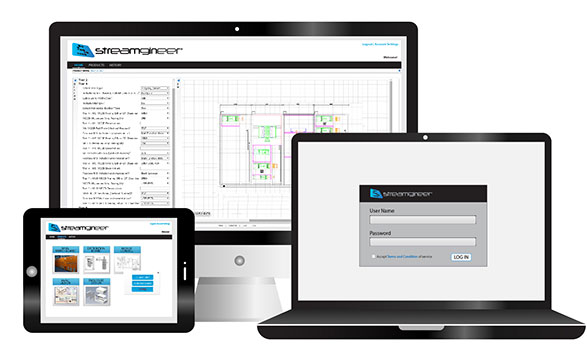
Understanding Device Compatibility: What You Need to Know
Device compatibility is an essential consideration in today's digital landscape. As the number of devices continues to grow, understanding how your website performs across various platforms—such as smartphones, tablets, and desktops—is crucial for maximizing user experience. With more than half of web traffic originating from mobile devices, ensuring that your website is responsive and functions seamlessly on different screen sizes can significantly impact your site's SEO rankings. Tools like Google's Mobile-Friendly Test can help you identify and rectify compatibility issues.
When assessing device compatibility, it's important to focus on key factors such as viewport settings, load times, and browser compatibility. For instance, a well-optimized site should use responsive design techniques, which automatically adjust the layout and elements based on the device's screen size. Additionally, you should regularly test your site on popular browsers like Chrome, Firefox, and Safari to ensure consistent performance. By prioritizing device compatibility, you not only enhance user satisfaction but also improve your chances of ranking higher in search engine results.
Counter-Strike is a popular first-person shooter game series that has been influential in the gaming community since its inception. Players can choose to join the terrorist or counter-terrorist team, engaging in various objective-based missions. The game has a vibrant esports scene, with teams competing worldwide for titles and prize money. For gamers looking to enhance their gaming setup, having the right accessories is essential; check out the Top 10 Long Charging Cables to keep your devices powered during intense gaming sessions.
Top 5 Tips for Ensuring Smooth Device Interactions
Ensuring smooth device interactions is crucial in today's digital age, especially as we rely on various gadgets to stay connected and productive. Here are the top 5 tips to enhance your device experience:
- Maintain Software Updates: Regularly updating your device's software ensures compatibility with the latest features and security patches. Ignoring these updates can lead to performance issues and vulnerabilities.
- Optimize Settings: Tailor your device settings to fit your needs. This includes adjusting display brightness, notification preferences, and connectivity options to create a seamless user experience.
- Manage Storage Efficiently: Keep your device free of unnecessary files and applications. A cluttered device can slow down interactions, so regularly review and archive or delete unneeded content.
- Utilize Cross-Device Compatibility: Take advantage of cloud services and apps that sync across devices. This allows you to access your files and applications anywhere, making interactions smoother.
- Regularly Restart Devices: Restarting your devices can resolve minor glitches and improve overall performance. Make it a habit to reboot your devices periodically to ensure optimal functioning.
Are Your Devices Speaking the Same Language? A Guide to Compatibility Issues
In an increasingly interconnected world, compatibility issues between devices can lead to significant frustrations. When your devices don’t 'speak the same language,' it can result in software failures, connectivity problems, and even data loss. Compatibility is not just about hardware; it extends to software versions, protocols, and settings. Before making a purchase, it’s crucial to research and ensure that your new devices will integrate seamlessly with your existing technology. This guide will delve into common compatibility challenges and provide tips on how to avoid them.
To better understand compatibility issues, consider the following:
- Operating Systems: Ensure that your devices run on compatible operating systems that can support the desired applications.
- Software Updates: Regularly updating software can help mitigate compatibility issues, as updates often include fixes for known bugs.
- Protocols and Standards: Check that your devices adhere to the same communication protocols, like Bluetooth or Wi-Fi standards, to ensure smooth operation.
With this knowledge, you can make informed decisions when purchasing new technology and enhance the overall performance of your interconnected devices.