The Hidden Psychology of TV Control: Masters or Slaves?
The relationship between viewers and their televisions often reflects a deeper psychological dynamic, prompting the question: are we masters or slaves to our screens? In an age where binge-watching is the norm, many find themselves drawn into the hypnotic glow of the TV, prioritizing shows and movies over social interactions and productive activities. This phenomenon raises awareness regarding the impact of TV control on our mental health, with studies showing that excessive viewing can lead to feelings of isolation and anxiety. As we become consumed by fictional narratives, we risk losing touch with our realities, making it crucial to evaluate who is truly in charge in this relationship.
Furthermore, the psychological tactics employed by TV networks and streaming services play a significant role in this dynamic. By using data-driven algorithms and cliffhangers, they create an environment where viewers are not just passive consumers but are compelled to continue watching. Mastering the art of engagement, these platforms keep us glued to our seats, often questioning our autonomy in the process. It is essential for individuals to recognize these influences, allowing them to reclaim their TV control and restore balance in their lives. By being more selective about their viewing habits, they can transform from being mere consumers to active decision-makers, ultimately reinforcing their position as the masters of their entertainment choices.
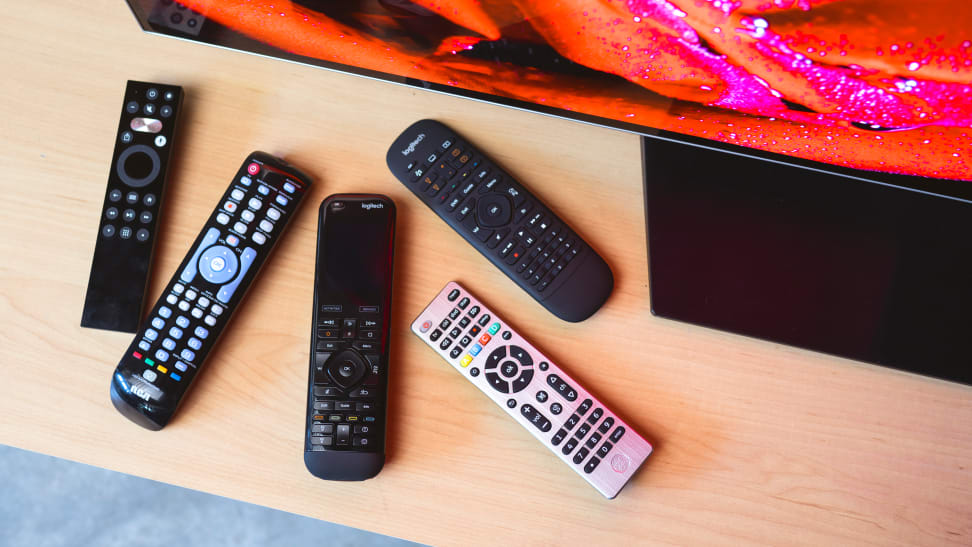
Counter-Strike is a popular series of multiplayer first-person shooter games that focus on team-based gameplay. Players can choose to fight as terrorists or counter-terrorists in various game modes. If you're looking for gaming accessories, check out the Top 10 apple tv remotes to enhance your gaming experience.
TV Control Dilemma: Are We Guiding the Narrative?
In today's digital age, the TV control dilemma has become a pressing issue, as viewers grapple with the amount of content available at their fingertips. With streaming services outpacing traditional cable options, the question arises: are we guiding the narrative of what we watch? The sheer volume of programming allows audiences to curate their viewing experiences, often leading to echo chambers and a significant influence on public opinion. This phenomenon is critical when considering how media narratives shape societal norms and beliefs.
Moreover, the algorithms used by streaming platforms play a pivotal role in our viewing habits. These complex systems recommend content based on our past behaviors, which can lead to a distorted sense of reality. As we consume more tailored content, we risk underscoring diverse perspectives that challenge the predominant narratives. Thus, understanding the TV control dilemma is vital not only for personal growth but also for fostering a more informed and balanced public discourse. It compels us to reflect on our roles as both consumers and curators of media in shaping the narratives that surround us.
The Influence of Television: Empowerment or Manipulation?
The influence of television has been a topic of debate for decades, with some arguing that it serves as a platform for empowerment by providing access to information, education, and diverse viewpoints. Television programs can inspire social change, raise awareness about critical issues, and offer a voice to marginalized communities. For instance, shows that focus on social justice or cultural representation can foster a sense of community and encourage audiences to engage in grassroots activism. However, the question remains: does this potential for empowerment outweigh the risks of manipulation by the media?
On the other hand, many critics highlight the negative aspects of television's influence, asserting that it often serves as a tool for manipulation. By prioritizing entertainment over informative content, television can distort public perception and perpetuate harmful stereotypes. The algorithms behind social media and streaming platforms further complicate this issue, creating echo chambers that reinforce existing biases instead of challenging them. As viewers become more passive consumers of content, the potential for manipulation increases, leading to a society that may be less informed and more easily swayed by sensationalism, ultimately raising concerns about the true power of television.