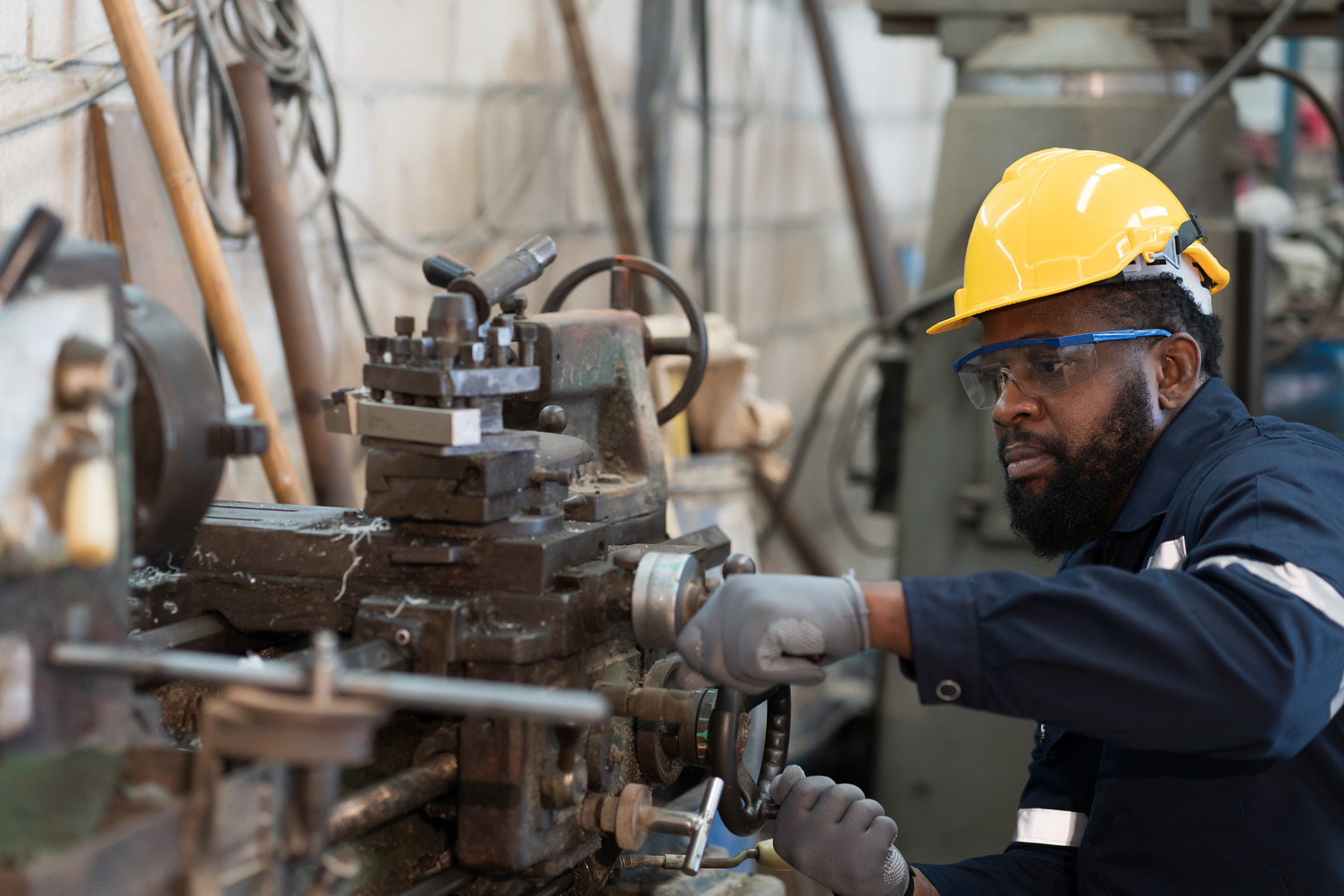
The Ripple Effect: How Small Maintenance Tasks Lead to Greater Success
In the world of business and personal productivity, the ripple effect of small maintenance tasks can often be underestimated. These seemingly insignificant actions, from organizing your workspace to promptly responding to emails, create a foundation for greater success. When small tasks are neglected, they can lead to larger issues, causing stress and inefficiencies. Conversely, by dedicating time to these little details, you can significantly enhance your productivity and overall effectiveness. The key is understanding that small maintenance tasks are the building blocks of larger achievements.
One of the most profound ways small maintenance tasks contribute to **success** is through habit formation. For instance, setting aside just 15 minutes each day to declutter your digital workspace not only keeps your environment organized but also trains your mind to focus better. Over time, these incremental improvements accumulate, leading to significant enhancements in your workflow. This consistent attention to detail develops a productive habit that sets the stage for tackling more substantial projects with confidence and clarity, proving that the ripple effect of small actions can indeed lead to monumental success.
Counter-Strike is a popular team-based first-person shooter that has captivated gamers since its release. Players compete in various game modes, often working together to achieve objectives or eliminate the opposing team. For those looking to keep their gaming equipment in top condition, check out the Top 10 airpods cleaning kits.
5 Daily Habits that Foster a Maintenance Mindset
Adopting a maintenance mindset is essential for both personal and professional growth. By integrating daily habits that prioritize upkeep and consistency, you can ensure long-term success. Here are 5 daily habits that can help you foster this vital mindset:
- Reflect Daily: Take a few minutes each day to reflect on your progress and setbacks. This practice can help you identify areas that need maintenance and improvement.
- Schedule Maintenance Time: Just as you schedule meetings and appointments, set aside specific times for maintenance tasks. Whether it's organizing your workspace or updating your skills, consistent scheduling reinforces the importance of upkeep.
- Set Small, Achievable Goals: Break your larger objectives into smaller, manageable tasks. This approach helps maintain momentum and makes the process less overwhelming.
- Embrace Flexibility: Understand that plans may change and challenges will arise. Being flexible allows you to adapt without losing sight of your maintenance goals.
- Celebrate Small Wins: Acknowledge and celebrate your daily efforts, no matter how small. This positive reinforcement can motivate you to continue prioritizing maintenance in your daily routine.
What is the Maintenance Mindset and Why is it Essential for Long-term Success?
The Maintenance Mindset refers to the ongoing commitment to support and enhance the systems, processes, and skills that contribute to an organization's or individual's success. This mindset emphasizes the importance of regular evaluation, adaptation, and improvement rather than a one-time effort. By fostering a culture where continuous learning and maintenance are prioritized, entities can address potential issues before they escalate. For example, in a business context, this might mean regularly updating technology, retraining staff, or refining customer service practices, ensuring that all components operate at peak efficiency.
Embracing a Maintenance Mindset is essential for long-term success because it promotes resilience and adaptability. Organizations that invest in regular maintenance are better equipped to navigate challenges, stay competitive, and sustain growth over time. As a result, they are less likely to face crises that stem from neglecting important processes or tools. Furthermore, cultivating this mindset can boost employee morale and satisfaction, as team members feel supported in their roles and empowered to contribute to ongoing improvements. In conclusion, adopting a Maintenance Mindset not only safeguards current successes but also lays the groundwork for future achievements.