Navigating Life's Adventures: The Pros and Cons of GPS Technology
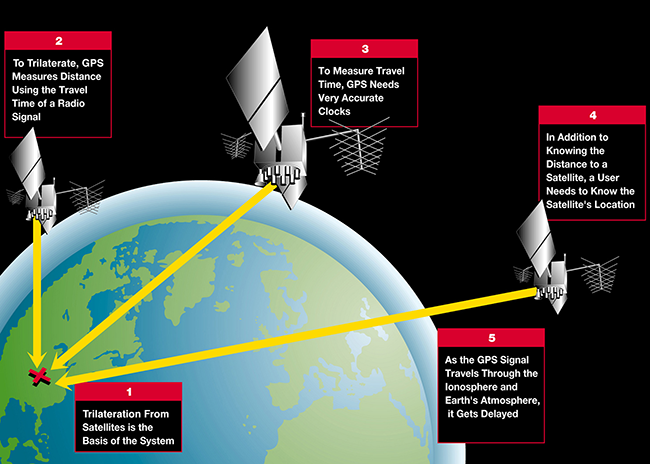
Navigating Life's Adventures has become significantly easier with the advent of GPS technology. One of the primary advantages is its ability to provide real-time directions and location tracking, which is especially beneficial in unfamiliar territories. Unlike traditional maps, GPS devices and applications like Google Maps can offer real-time traffic updates, suggesting alternative routes when delays occur. This capability minimizes the chances of getting lost and makes commuting more efficient. Moreover, features like location sharing can enhance safety by allowing friends and family to monitor one's whereabouts during adventurous outings.
However, relying heavily on GPS technology comes with its drawbacks. One major concern is the potential for decreased navigational skills; dependency on GPS systems can lead to diminished ability to read maps or navigate using natural landmarks. Additionally, GPS devices require a stable internet connection and can be heavily impacted by environmental factors, such as tall buildings or dense forests, leading to inaccuracies. Lastly, privacy issues arise as GPS technology can track locations, leading to concerns about data security and surveillance. Thus, while navigating life's adventures with GPS offers many benefits, it is essential to remain mindful of these challenges.
Counter-Strike is a highly popular first-person shooter game that has captivated players around the world. Known for its competitive nature, the game features teams of terrorists and counter-terrorists battling in various game modes. Many players also enjoy customizing their gameplay with different accessories and tools, including useful items like Top 10 airtag pet collars that enhance their experience.
Is GPS Making Us Reliant? Exploring the Modern Navigation Dilemma
The emergence of GPS technology has revolutionized the way we navigate our world. With just a few taps on a smartphone, we can instantly access precise directions to our desired destination. However, this reliance on GPS raises an intriguing question: Are we becoming too dependent on these digital tools? As our navigational skills wane, we may struggle to find our way without the assistance of GPS. This growing reliance can lead to a decrease in our ability to read traditional maps or even remember important landmarks, transforming us into passive navigators who follow the prompts rather than actively engaging with our surroundings.
Another consequence of our dependence on GPS is its impact on our situational awareness. When we solely rely on GPS for navigation, we often miss out on the rich, contextual information our environment offers. Noticing street names, understanding the layout of neighborhoods, or recognizing previously visited places contributes to a deeper connection with our surroundings. To combat this modern navigation dilemma, it's essential to strike a balance. We can use GPS technology to enhance our travel experience without allowing it to erode our basic navigational skills. By occasionally challenging ourselves to navigate without GPS, we can reclaim our ability to explore the world around us with confidence.
Offline vs. Online: How to Choose the Best Way to Navigate Your Journey
When embarking on a new journey, whether it’s a personal development endeavor or a physical trip, the choice between offline and online navigation methods can significantly influence your experience. Online navigation offers numerous advantages, including real-time updates, comprehensive mapping capabilities, and access to user-generated reviews and tips. However, relying on technology also has its drawbacks, such as the potential for battery drain and reliance on internet connectivity. Conversely, offline navigation provides a sense of stability and can be more reliable in areas with poor reception. Here’s a quick comparison to help you decide:
- Online: Easy updates, interactive content, mobility.
- Offline: Reliability, no distractions, can often be more immersive.
To effectively choose between these two methods, consider your own comfort level with technology and the specifics of your journey. If you prefer an interactive experience that allows you to adapt to changing circumstances, choosing online tools may enhance your journey. On the other hand, if you value a peaceful and uninterrupted experience, or are heading to remote locations, offline maps or guides may serve you better. Whichever method you choose, the ultimate goal should be to navigate your journey in a way that enriches your experience and enhances your skill set.