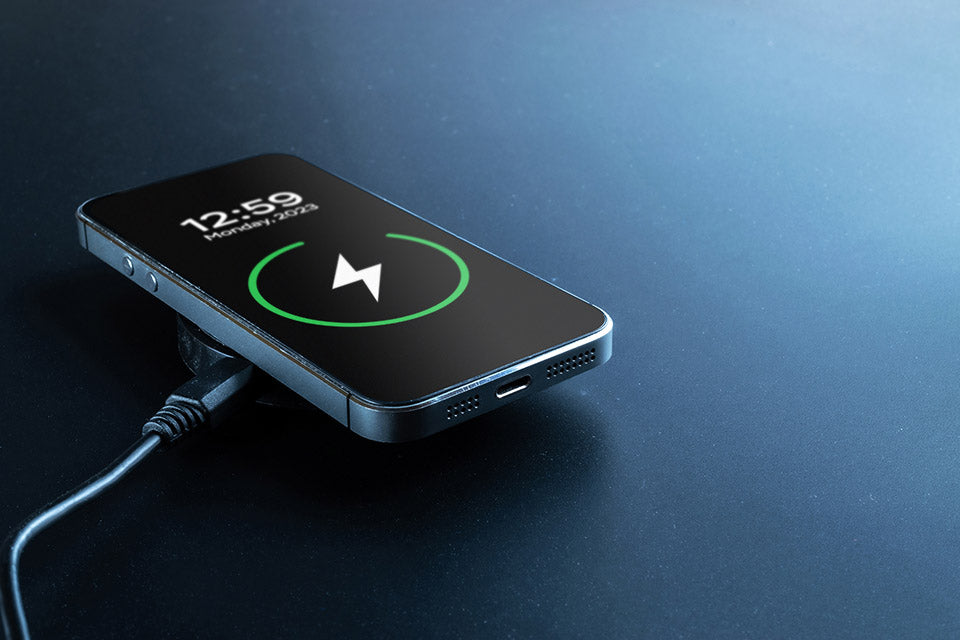
5 Surprising Ways Your Battery Life Reflects Your Lifestyle
Your smartphone's battery life can reveal more about your daily habits than you might think. For instance, if you find yourself constantly charging your device, it may reflect a lifestyle that’s packed with notifications and constant connectivity. This scenario is common among those who are heavily engaged in social media and always on the go. Consider how often you check your phone; each glance can drain your battery and your attention span, leading to a cycle of dependency that mirrors a fast-paced, modern lifestyle.
On the flip side, if you notice that your battery life lasts unusually long, it could indicate a more intentional approach to technology. Perhaps you limit your time on apps, prioritize offline activities, or simply choose to disconnect more often. These habits not only extend your battery's longevity but also promote a healthier balance between screen time and personal time. Consider these five surprising ways your battery habits reflect your lifestyle:
- Constant charging indicates constant connectivity.
- Long battery life suggests mindful technology use.
- Frequent app usage drains battery quickly.
- Battery care practices mirror overall self-care.
- Power-saving modes reflect prioritization of essential tasks.
Counter-Strike is a popular tactical first-person shooter game where players engage in team-based warfare. The game has evolved over the years, spawning several versions including Counter-Strike 1.6, Counter-Strike: Source, and the most recent, Counter-Strike: Global Offensive (CS:GO). It has a thriving competitive scene and has become a staple in esports.
For those looking to enhance their gaming setups, consider checking out the Top 10 iphone desk stands for a more organized and efficient workspace.
Is Your Phone's Battery Life a Reflection of Your Anxiety Levels?
Recent studies suggest a fascinating connection between anxiety levels and the battery life of our smartphones. For many, frequent phone charging stems not just from usage but also from a psychological state influenced by anxiety. People who experience elevated anxiety may find themselves constantly checking their devices, leading to accelerated battery drain. This phenomenon can create a cycle where the less battery life there's left, the more anxious the user feels, exacerbating the very issue they're trying to manage.
Moreover, the act of frequently monitoring a phone's battery percentage can trigger feelings of unease for some individuals. When battery anxiety sets in, users may feel compelled to recharge the phone at the slightest hint of depletion, leading to a compulsive checking habit. This relationship raises an important question: Can tracking your phone's battery life be a visual representation of your anxiety levels? Understanding this connection might empower users to adopt healthier habits, both digitally and mentally, thereby fostering a more balanced lifestyle.
How to Interpret Your Device's Battery Health: A Guide to Understanding Yourself
Understanding your device's battery health is crucial for optimizing its performance and longevity. Modern devices typically feature built-in battery health indicators that can often be accessed through the settings menu. To interpret your device's battery health, look for essential metrics such as maximum capacity, charge cycles, and overall battery status. For example, if your device shows a maximum capacity of 80%, this means your battery can still hold 80% of its original charge, which is a good sign. However, if the number of charge cycles exceeds the manufacturer's recommended limit, you might need to consider a battery replacement.
Furthermore, it's important to recognize some common signs of battery deterioration such as rapid discharging, unexpected shutdowns, or any swelling of the battery compartment. You can also utilize third-party applications that provide more detailed insights into your battery's health. This information allows you to take proactive measures, from adjusting your charging habits to upgrading your device. By effectively learning how to interpret your device's battery health, you not only enhance your device's lifespan but also improve your overall user experience.