Understanding the Different Types of Cables: Which One Is Right for Your Device?
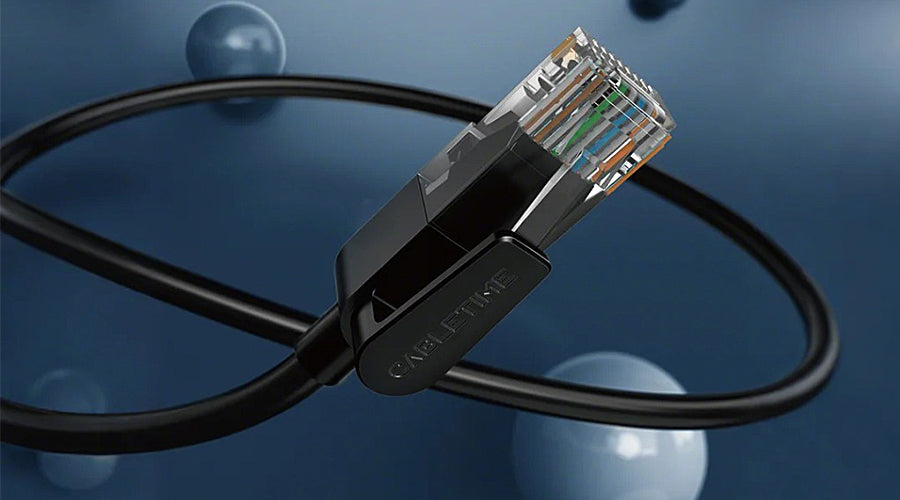
When it comes to connecting devices, understanding the different types of cables available can significantly enhance your experience. Cables such as HDMI, USB, Ethernet, and DisplayPort are some of the most commonly used. Each type serves a specific purpose: HDMI cables are ideal for transmitting high-definition video and audio, while USB cables are versatile and can be used for data transfer as well as charging devices. Meanwhile, Ethernet cables are essential for wired internet connections, providing stable and fast connections, whereas DisplayPort is often favored for connecting high-resolution monitors. Therefore, knowing the specific function of each cable can help you choose the right one for your setup.
Additionally, it's crucial to consider the specifications and compatibility of the cables to ensure optimal performance. For instance, HDMI cables come in different versions, such as HDMI 1.4 and HDMI 2.1, each supporting various video resolutions and refresh rates. When selecting an Ethernet cable, you may encounter categories like Cat5e, Cat6, and Cat7, each providing different speeds and bandwidth capacities. Always check your devices' compatibility and desired performance levels to choose the right cable. By understanding these differences, you can make an informed decision that enhances your device's functionality.
Counter-Strike is a popular first-person shooter game that has captivated gamers worldwide since its release. Players can choose between two teams, Terrorists and Counter-Terrorists, and engage in various mission-based gameplay. The game emphasizes teamwork, strategy, and precise shooting skills. For gamers looking to enhance their gaming setup, check out the Top 10 Travel Accessories for Tablets to ensure you're well-equipped for any gaming on the go.
The Importance of Quality Cables: How They Impact Your Tech Performance
In today's tech-driven world, the significance of quality cables cannot be overstated. Whether you're charging your devices, connecting peripherals, or setting up a home theater system, the performance of your equipment hinges on the cables you use. Poor-quality cables are often prone to interference, which can lead to slow data transfer rates, audio or video lag, and even permanent damage to your devices. Investing in high-quality cables ensures optimal performance and longevity, allowing your technology to function as intended without frustrating interruptions.
Moreover, the differences in cable quality can significantly impact your overall user experience. For instance, a high-efficiency HDMI cable can deliver sharp, vibrant images and crisp sound, enhancing your viewing pleasure, while substandard cables may result in pixelation and audio distortion. When shopping for cables, look for reputable brands and read consumer reviews to spot potential issues. Remember, the right cable can make all the difference, offering not just better reliability but also peace of mind in your tech setups.
Cable Management Tips: Keep Your Tech Space Organized and Efficient
Keeping your tech space organized is crucial for both productivity and aesthetics. Implementing effective cable management can make a world of difference. Start by labeling your cables to easily identify them later on. Use color-coded tags or simple labels to differentiate between power cords, data cables, and peripherals.
In addition to labeling, consider using cable ties or clips to group cables together and prevent them from tangling. An under-desk cable management solution, such as a cable tray, can further enhance your workspace by keeping cables hidden and off the floor. By following these essential cable management tips, you can create an organized and efficient tech space that promotes focus and creativity.